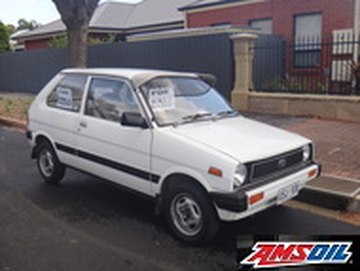
Maintaining Lubrication Integrity for the 1982 Subaru 2-DOOR 1.6L
Proper engine maintenance is a cornerstone of long-term vehicle health, particularly when managing an older powertrain like the EA71 engine found in this 1982 Subaru 2-DOOR. While many aspects of automotive care are universal, focusing on the specific needs of a decades-old engine requires a disciplined approach to monitoring fluid condition and inspecting mechanical components for signs of age.Monitoring Fluid Condition and Potential Leaks
One of the most effective ways to monitor the health of the 1.6L engine is through regular visual inspections of the lubrication system. Over time, various seals and gaskets may undergo changes in elasticity due to heat cycles and age. Rather than assuming a component has failed, owners should look for evidence of seepage or active leaks around sealing surfaces. When performing routine checks, it is helpful to observe the area surrounding the engine for any signs of fluid residue. If you notice fresh oil appearing on the underside of the engine or on driveway surfaces, it warrants further investigation. Additionally, checking the appearance of the oil itself can provide clues about the engine's internal state. Oil that appears excessively dark, gritty, or contains visible particulates may indicate that the lubricant is heavily contaminated or that service intervals have been exceeded. It is also prudent to inspect any connected hoses or auxiliary components that are present on the vehicle. While these parts vary by specific configuration, ensuring that they remain pliable and free of cracks can prevent secondary issues that might affect engine operation or cooling efficiency.Observing Potential Warning Signs
Automotive maintenance is often a process of recognizing subtle changes before they escalate into significant mechanical concerns. For an owner of a 1982 Subaru 2-DOOR, staying observant regarding how the vehicle behaves during operation is essential. Changes in engine noise can sometimes be associated with lubrication issues. While many sounds are normal for an older engine, any sudden or unusual mechanical noises should be investigated promptly. Similarly, if you notice changes in how the engine responds to throttle inputs or if there is a noticeable change in exhaust characteristics, these symptoms may indicate that the engine's internal environment has changed. It is important to remember that many symptoms can have multiple underlying causes. For example, an unusual odor near the engine might suggest oil is contacting a hot surface, but it does not automatically confirm a specific gasket failure. Always treat new symptoms as a prompt for a thorough inspection rather than a definitive diagnosis of a single part.Prioritizing Long-Term Engine Care
As vehicles age, maintenance strategies often shift from simple part replacement to more comprehensive condition monitoring. For the 1982 Subaru 2-DOOR, establishing a clear baseline of the vehicle's current mechanical state is highly beneficial, especially if the service history is incomplete. If you are beginning ownership of this vehicle or have recently acquired it, reviewing any available maintenance and repair records is a vital first step. Knowing when fluids were last changed or when major components were last inspected allows for more informed decision-making. If records are unavailable, your priority should be to establish a baseline by performing a thorough inspection of all accessible systems. When managing an older vehicle, it is often more effective to prioritize maintenance based on the actual condition of the components rather than strictly following age-based assumptions. Addressing active leaks or addressing overdue service items first ensures that resources are directed where they are most needed. This approach helps distinguish between necessary preventive maintenance and the unnecessary replacement of parts that are still functioning correctly.Managing Aging Components and Materials
The materials used in engine construction, including various rubberized seals and plastic connectors, are subject to environmental degradation over several decades. For a 1982 model, it is wise to adopt a proactive stance toward inspecting these age-sensitive items. If equipped, accessible drive belts should be checked for signs of deterioration such as cracking, glazing, or fraying. Similarly, if the vehicle is equipped with various electrical connections and wiring harnesses, checking them for corrosion or brittle insulation can prevent unexpected electrical issues. Maintaining a consistent record of these observations—noting when a belt showed minor cracking or when a seal began to show slight seepage—can help you predict future needs and avoid sudden failures. This level of detail transforms maintenance from a reactive task into a proactive management strategy.The Role of Consistent Lubrication Maintenance
Engine oil performs several vital roles that are essential for the continued operation of the 1.6L EA71 engine. Beyond simply reducing friction between moving parts, the lubricant assists in managing the thermal environment within the engine and helps to suspend contaminants so they can be removed by the filtration system. When oil is not changed according to a regular schedule, its ability to manage heat and resist oxidation can diminish. This can lead to the buildup of deposits or sludge, which may interfere with the smooth operation of various internal components. By adhering to a consistent service routine, you ensure that the lubricant maintains its chemical integrity and continues to provide the necessary protection for the engine's moving parts.Practical Guidance for Buying Engine Oil for your 1982 Subaru 2-DOOR 1.6L
When it is time to replenish your engine's lubrication, the most important step is to ensure the product you select matches the specific requirements of your vehicle. Because different engines have unique tolerances and operating characteristics, using an incorrect lubricant can be counterproductive. To ensure a correct match, always refer to the application-specific oil viscosity and information provided on this webpage. Do not rely on general automotive knowledge or assumptions based solely on the age of the vehicle to select a grade. Instead, use the specific data displayed in the application information section above to guide your purchase. When you are at the store or ordering online, keep these practical tips in mind:- Verify the Label: Always check the product packaging against the viscosity and specifications listed on this page before completing your purchase.
- Consider Formulations: Depending on the current condition of your engine, you may choose between conventional, synthetic blend, or full synthetic oils. Some high-mileage oil formulations also contain additives intended for use in aging engines, including seal-conditioning additives.
- Check Certifications: Ensure the oil meets the appropriate API service classifications to guarantee it provides the necessary level of protection and deposit control.